AI for Frontend Development
AI That Builds With Your Components, Not Around Them
Stop generating throwaway code. Onlook's AI is constrained to your design system — your buttons, your cards, your layouts. What you create is a PR your engineers can merge.
Onlook: AI for Frontend Development
Onlook is an AI-powered visual editor for frontend development that connects to your existing React, Vue, or Angular codebase. Unlike generic AI code generators that produce throwaway HTML/CSS, Onlook constrains AI to your real components and design system — your buttons, cards, and layouts. Changes become mergeable pull requests, not prototypes that need translation.
Key Features
- AI constrained to your design system — no brand drift
- Works with React, Next.js, Vue, Angular, Svelte, and more
- Supports Tailwind, CSS Modules, styled-components, SASS
- Compatible with shadcn/ui, Material UI, Chakra UI, Mantine, Radix UI
- Visual canvas interface — no coding required for designers
- Changes become real pull requests engineers can merge
- Open source with 24k+ GitHub stars
Who is Onlook for?
Onlook is for product teams with designers and an existing component library. Ideal users include design engineers, product designers working in code-forward teams, and teams maintaining design systems who want AI that respects their existing work.
The Problem
AI generates code. But it doesn't know your design system.
Generic output
AI tools generate throwaway HTML/CSS that doesn't match your components.
Brand drift
Without constraints, AI outputs drift off-brand with inconsistent styling.
Translation required
Generated code needs to be rebuilt to work with your real components.
Not mergeable
Prototypes stay prototypes — they can't become production code directly.
The Solution
AI constrained to your design system. No drift. No translation.
Villainterest - Product Notes

Minimalist Interior with Dramatic Lighting

Black Leather Bar Stool with Brass Accents

Spikey Ceramic Iron Metal Sculpture

Black Bar Stool Silhouette Design

Ceramic Brutalist Objects with Spikes

Brutalist Dark Glass Vase Sculpture

Golden Muted Interior with Sharp Lines

Contemporary Brutalist Interior Design

Minimalist Zig-Zag Chair Design

Minimalist Metallic Sheer Design

Lounge Chair Against Clean Wall

Metallic Chair with Brutalist Design
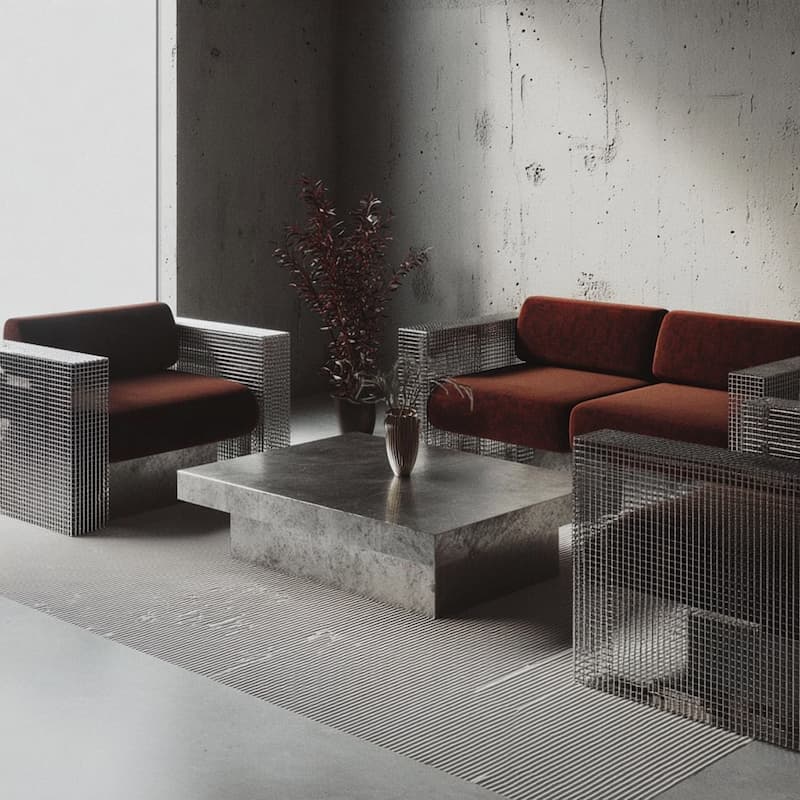
Living Room with Metal Furniture Design
.jpg)
Metallic Brushed Metal Chair Design
Black Leather Furniture Design
Minimalist Interior with Dramatic Lighting
Black Leather Bar Stool with Brass Accents
Black Bar Stool Silhouette Design
Ceramic Brutalist Objects with Spikes
Brutalist Dark Glass Vase Sculpture
Golden Muted Interior with Sharp Lines
Contemporary Brutalist Interior Design
Minimalist Zig-Zag Chair Design
Minimalist Metallic Sheer Design
Lounge Chair Against Clean Wall
Spikey Ceramic Iron Metal Sculpture
Metallic Chair with Brutalist Design
Living Room with Metal Furniture Design
Metallic Brushed Metal Chair Design

Layers
Brand
Pages
Assets
Elements
Apps
Your real components
AI uses your actual buttons, cards, and layouts — not generic alternatives.
Your design tokens
Colors, spacing, typography — AI respects your existing system.
PR-ready output
Changes become real PRs. Engineers review and merge directly.
Visual + AI
Point-and-click interface with AI that understands context.
Works With Your Stack
React, Next.js, Vue, Angular. Tailwind, CSS Modules, styled-components. Your stack, your way.
Frameworks
- React
- Next.js
- Vue
- Angular
- Svelte
- Preact
- SolidJS
- Qwik
- Web Components
Styling
- Tailwind CSS
- CSS Modules
- styled-components
- Emotion
- SASS/SCSS
- Less
- Vanilla Extract
- Stitches
- Plain CSS
Component Libraries
- shadcn/ui
- Material UI
- Mantine
- Chakra UI
- Radix UI
- Ant Design
- Headless UI
- Blueprint
- Fluent UI
- PrimeReact
Frequently asked questions
Onlook is an AI-powered visual editor for frontend development. It connects to your existing React, Vue, or Angular codebase and lets designers create interfaces using real components. AI is constrained to your design system, and changes become pull requests engineers can merge directly.
Most AI tools generate generic HTML/CSS from scratch. Onlook is different — it connects to your existing component library and constrains AI to YOUR design system. This means outputs are consistent, on-brand, and directly mergeable. No translation step needed.
Yes. Onlook connects to your codebase and lets you design with your real components — the buttons, cards, and layouts your engineers already built. AI suggestions use your actual component API, not generic alternatives.
Onlook works with React, Next.js, Vue, Angular, Svelte, Preact, SolidJS, Qwik, and Web Components. It also supports any CSS approach — Tailwind, CSS Modules, styled-components, Emotion, SASS/SCSS, Less, Vanilla Extract, and more.
Onlook works with all major component libraries including shadcn/ui, Material UI, Mantine, Chakra UI, Radix UI, Ant Design, Headless UI, Blueprint, Fluent UI, and PrimeReact. If your components work in your codebase, they work in Onlook.
No. Unlike raw AI code generation, Onlook constrains AI to your existing components, colors, and tokens. AI can only use what's in your design system — no drift, no off-brand results.
Changes you make in Onlook become real code changes. When you're ready, submit them as a pull request for engineers to review and merge. No export, no copy-paste, no translation.
No. Designers use a familiar visual canvas with drag-and-drop, resize, and styling controls. The code runs underneath — you don't need to touch it unless you want to.
Onlook is for product teams with designers and an existing component library. Ideal users include design engineers, product designers working in code-forward teams, and teams maintaining design systems.